
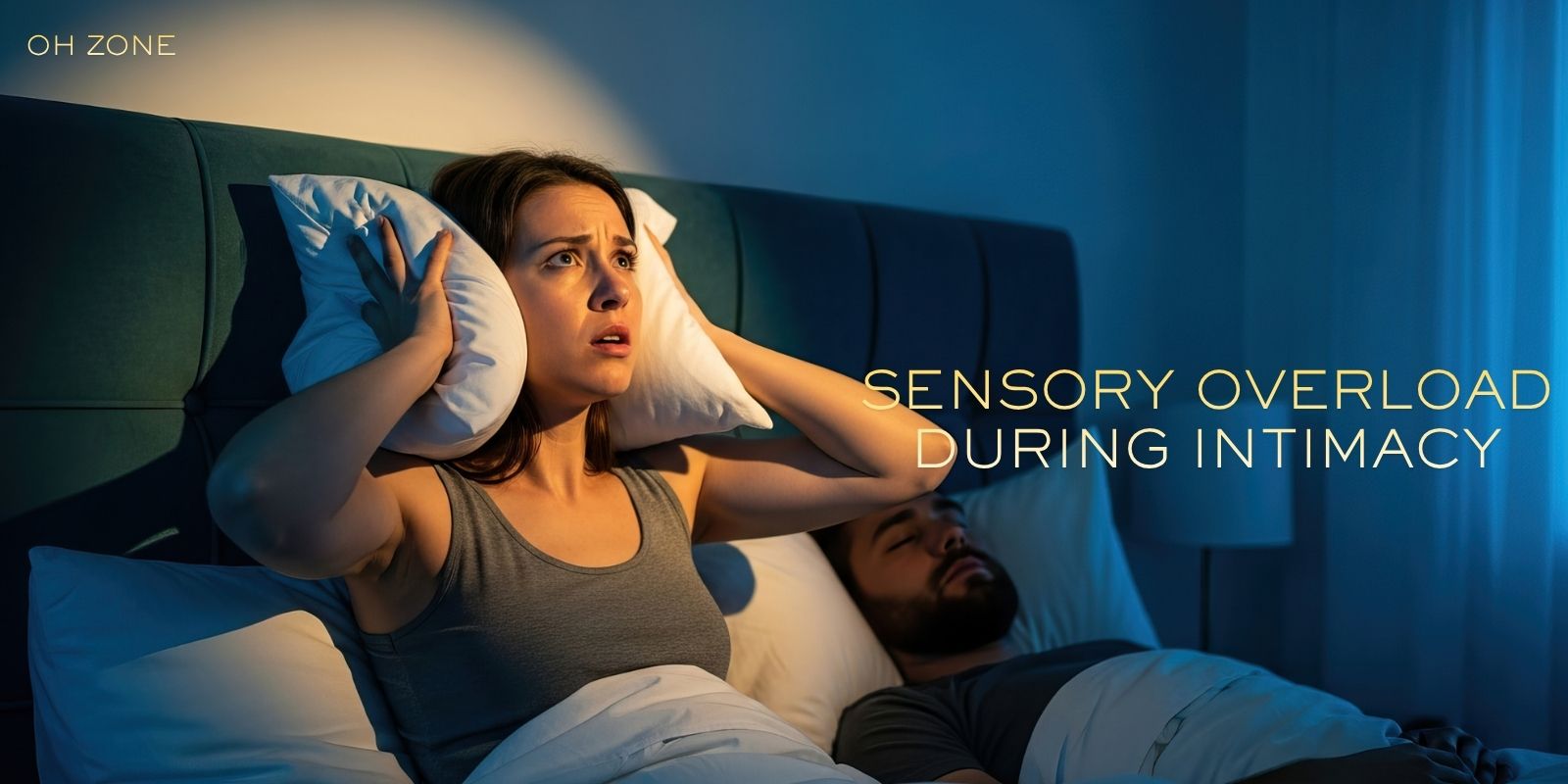
Sensory Overload During Intimacy: A Safe, Shame-Free Guide to Understanding Your Body
Sensory overload during intimacy is something many people experience but rarely talk about openly. It can feel confusing when a moment that is supposed to feel connecting or pleasurable suddenly becomes overwhelming. This response is not a flaw—it is your nervous system communicating its limits. Understanding this experience can shift it from something distressing into something informative, helping you build a more compassionate relationship with your body and your needs.
From a psychological perspective, intimacy involves layers of sensation, emotion, and vulnerability. When too many inputs—touch, sound, expectations, or emotional pressure—stack together, the body can move into overload. What often happens is that the nervous system becomes overstimulated, making it difficult to stay present. Learning how sensory overload during intimacy works allows you to respond with awareness rather than self-judgment.
Table of Contents
- What Is Sensory Overload During Intimacy?
- How the Body Responds to Overstimulation
- Common Causes of Sensory Overload During Intimacy
- The Emotional and Psychological Layer
- How to Recognize Your Personal Triggers
- Ways to Stay Grounded and Regulated
- Reclaiming Safety and Pleasure in Your Own Rhythm
- Key Takeaways
- Frequently Asked Questions
What Is Sensory Overload During Intimacy?
Sensory overload during intimacy occurs when the brain receives more input than it can comfortably process in the moment. This might include touch, sound, emotional intensity, or even internal thoughts. According to this discussion on sensory challenges and intimacy, individuals with heightened sensitivity may experience this more frequently, but it can happen to anyone depending on context and emotional state.
What often happens in the body is a shift from connection to protection. The nervous system moves into a state where it prioritizes safety over pleasure. This can show up as a sudden need to pause, withdraw, or even disconnect emotionally. Rather than seeing this as a failure, it can be understood as a protective response that deserves attention and care.
In my studies, I’ve seen how naming this experience helps people feel less alone. When you recognize that sensory overload during intimacy is a valid response, it becomes easier to respond with curiosity rather than shame. This shift creates space for more supportive and intentional experiences moving forward.
How the Body Responds to Overstimulation
The body responds to sensory overload through the nervous system, particularly when it perceives too much input at once. This can activate a stress response, even if the situation is safe. The heart rate may increase, breathing may become shallow, and muscles may tense. These are not signs of something going wrong—they are signals that your system needs regulation.
One pattern I’ve noticed is that people often try to push through these sensations, believing they should be able to handle them. However, this can intensify the experience. When the body feels ignored, it tends to amplify its signals. By contrast, when you pause and listen, the system begins to settle, allowing you to return to a more balanced state.
Common Causes of Sensory Overload During Intimacy
Sensory overload during intimacy can arise from multiple overlapping factors. Physical sensitivity, emotional vulnerability, past experiences, and environmental stimuli all play a role. For example, bright lights, strong scents, or unexpected touch can contribute to overstimulation. According to this guide on sensory-friendly intimacy approaches, adjusting the environment can significantly reduce overwhelm.
What often happens is that the body accumulates stimulation over time. It’s not always one single factor, but a buildup of small inputs that eventually cross a threshold. This is why someone may feel fine initially but suddenly become overwhelmed without an obvious reason. The system has simply reached its limit.
In my observations, emotional context plays a major role. If someone feels pressured, disconnected, or unsure, their threshold for stimulation decreases. On the other hand, when emotional safety is present, the body can process more sensation without becoming overwhelmed. This highlights the importance of both physical and emotional awareness.
The Emotional and Psychological Layer
Beyond the physical experience, sensory overload during intimacy is closely tied to emotional safety. Attachment patterns influence how comfortable someone feels with closeness, vulnerability, and touch. If the body associates intimacy with uncertainty or pressure, it may respond with heightened sensitivity, even in safe situations.
What often happens in the mind is a shift from presence to self-monitoring. Thoughts like “Am I doing this right?” or “Should I feel different?” can create internal noise that adds to the sensory load. This mental layer can make it harder to stay grounded, increasing the likelihood of overwhelm.
In my studies, I’ve found that self-compassion is a key factor in navigating this experience. When people approach themselves with understanding rather than criticism, their nervous system begins to relax. This creates a more supportive internal environment where intimacy can feel less overwhelming and more accessible.
How to Recognize Your Personal Triggers
Recognizing your triggers is an essential step in managing sensory overload during intimacy. These triggers are often subtle and may include specific types of touch, certain environments, or emotional states. Paying attention to patterns helps you understand what your body is responding to, allowing you to make adjustments that support comfort.
One pattern I’ve noticed is that awareness often comes after the experience, not during it. Reflecting gently afterward can provide valuable insights without adding pressure. Over time, this awareness becomes more immediate, helping you recognize early signs of overwhelm before they intensify.
Exploring supportive resources like ways to build deeper connection with your partner can also help create a more intentional and supportive dynamic, where your needs are acknowledged and respected.
Ways to Stay Grounded and Regulated
Managing sensory overload during intimacy involves supporting your nervous system before, during, and after the experience. Simple practices like slowing down, focusing on breath, and communicating openly can make a significant difference. The goal is not to eliminate sensation, but to create a pace that your body can comfortably process.
What often happens is that small adjustments lead to meaningful changes. Lowering lighting, reducing background noise, or taking pauses can help regulate the system. These shifts create a more predictable environment, which the nervous system interprets as safer and more manageable.
In my observations, shared understanding plays a powerful role. When partners communicate openly, it reduces pressure and increases trust. Exploring approaches like intentional bonding and connection practices or learning from a more mindful approach to intimacy can support a more balanced and grounded experience.
Reclaiming Safety and Pleasure in Your Own Rhythm
Sensory overload during intimacy is not something to fix—it is something to understand. Your body is constantly communicating with you, offering signals about what feels safe, what feels too much, and what needs adjustment. When you begin to listen rather than override these signals, you create a foundation of trust within yourself that naturally supports deeper connection.
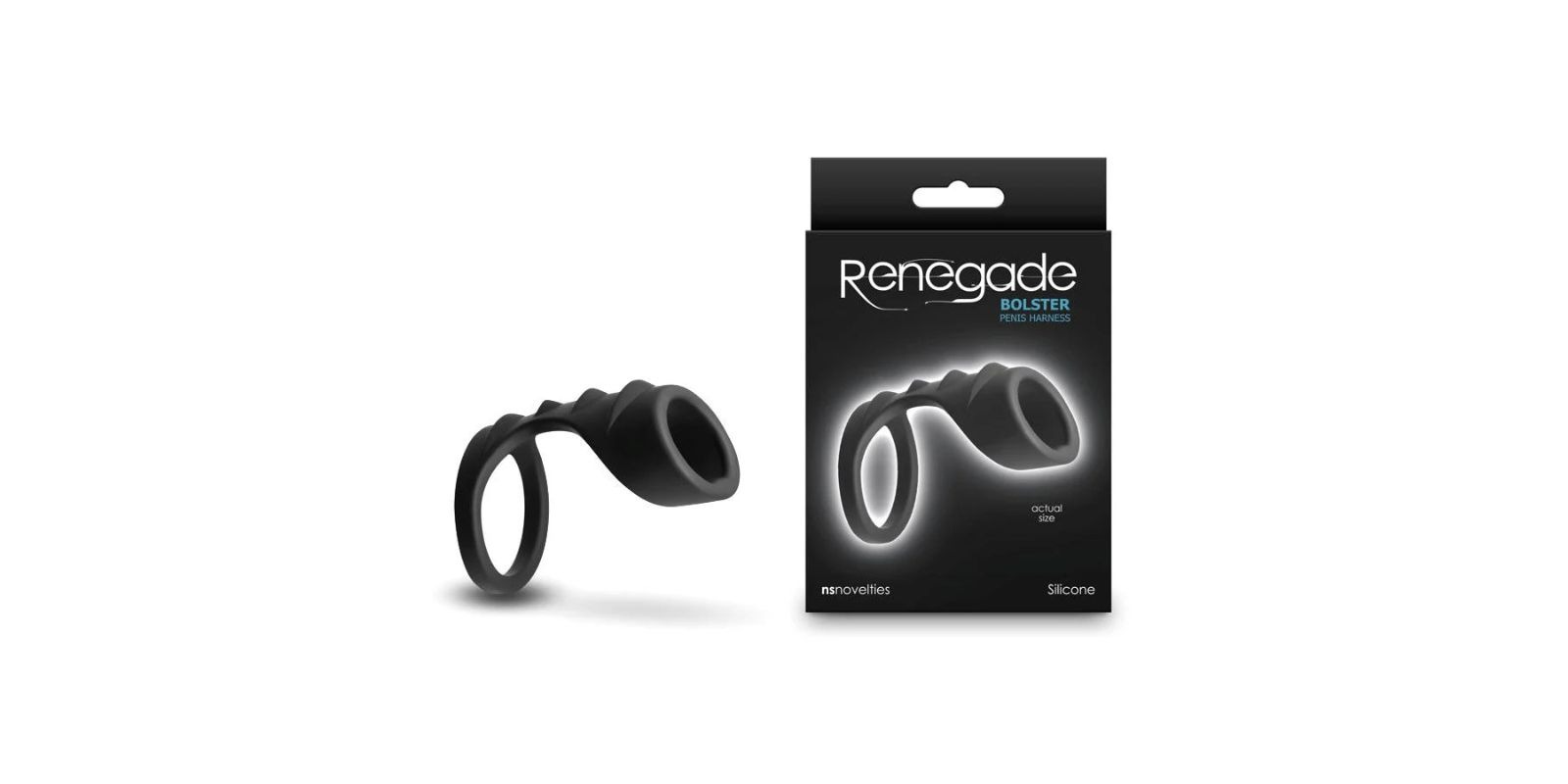
Over time, this awareness allows intimacy to feel less overwhelming and more aligned with your natural rhythm. It becomes less about meeting expectations and more about honoring your experience. This shift can transform not only intimacy but also your overall sense of wellbeing. If you’re exploring ways to support this journey, consider tools that prioritize comfort, connection, and ease. Shop Now!
Key Takeaways
- Sensory overload during intimacy is a natural nervous system response, not a flaw
- Emotional safety significantly affects how the body processes stimulation
- Triggers often build gradually rather than appearing suddenly
- Awareness and communication help prevent overwhelm
- Small environmental and pacing adjustments can improve comfort and connection
Frequently Asked Questions
What is sensory overload during intimacy?
It is when the body receives more sensory or emotional input than it can comfortably process, leading to feelings of overwhelm.
Why do I feel overwhelmed during intimacy?
This can happen due to heightened sensitivity, emotional factors, or a nervous system response to too much stimulation.
Is sensory overload during intimacy normal?
Yes, it is a common experience and reflects how your body processes stimulation and emotional context.
How can I reduce sensory overload?
Slowing down, adjusting the environment, and communicating your needs can help regulate your experience.
Can this affect relationships?
It can, but open communication and understanding can turn it into an opportunity for deeper connection and trust.