

Benefits of Sexual Lubricants for Pleasure & Comfort
There’s a quiet shift happening in how we talk about intimacy. More people are beginning to understand that pleasure isn’t something to push through or tolerate—it’s something to feel, explore, and support. Yet, many still overlook one of the simplest tools that can transform sexual comfort and connection: lubrication. The benefits of sexual lubricants go far beyond just reducing friction; they help create a more relaxed, present, and enjoyable experience in the body.
When the body feels safe and supported, it responds differently. Tension softens, arousal flows more naturally, and intimacy becomes less about performance and more about connection. Sexual lubricants are not a sign that something is “wrong”—they’re a way of working with your body, not against it. Understanding how and why they enhance pleasure can shift your entire relationship with intimacy, turning it into something more mindful, confident, and deeply satisfying.
Table of Contents – Benefits of Sexual Lubricants
Common Forms / Types / Expressions
Why Society Views This as Taboo or Misunderstood
How to Embrace or Explore This Safely
Understanding the Topic and Where It Comes From
The benefits of sexual lubricants begin with a simple biological truth: the body doesn’t always produce enough natural lubrication, and that’s completely normal. Factors like stress, hydration, hormonal changes, medications, or even emotional tension can affect arousal responses. When lubrication is low, friction increases, which can create discomfort and pull attention away from pleasure. This is where lubricants act as a supportive bridge, helping the body stay relaxed and responsive.
From a nervous system perspective, comfort is directly tied to arousal. When the body senses pain or dryness, it can activate subtle stress responses, making it harder to stay present or feel pleasure. Lubricants help maintain a smooth sensory experience, allowing the brain to interpret touch as safe and enjoyable rather than irritating. This creates a positive feedback loop, where comfort enhances arousal, and arousal deepens connection.
There’s also a psychological component rooted in conditioning. Many people grow up believing that “natural” arousal should be enough, and needing assistance may feel like failure. Over time, this belief can create unnecessary pressure during intimacy. Reframing lubrication as a tool—rather than a fix—helps dismantle this conditioning. It becomes part of a conscious, supportive approach to pleasure rather than something to hide or avoid.
As awareness grows, more individuals are embracing the idea that intimacy is not about meeting unrealistic standards but about listening to the body. The benefits of sexual lubricants lie in this shift—from expectation to attunement. When you support your body’s needs without judgment, you create space for deeper, more authentic experiences that feel grounded and nourishing.
Common Forms / Types / Expressions
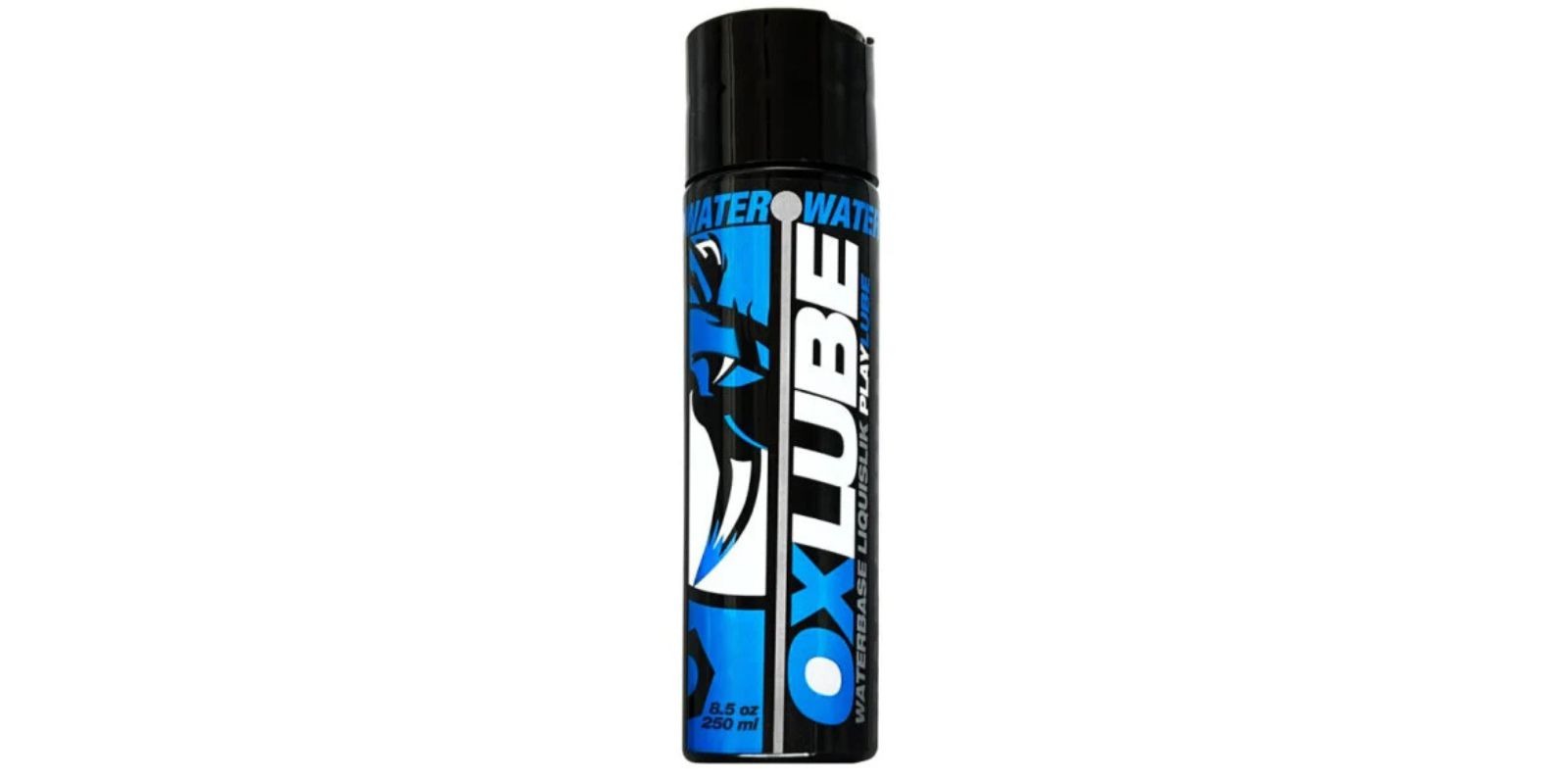
Sexual lubricants come in a variety of forms, each designed to meet different needs and preferences. Water-based lubricants are often the most versatile, offering a light, natural feel that’s compatible with most bodies and products. They are easy to clean and tend to work well for everyday use, especially for those exploring lubrication for the first time.
Silicone-based lubricants, on the other hand, provide a longer-lasting glide. They are particularly useful for extended sessions or situations where reapplication may interrupt the flow of intimacy. Their silky texture can enhance sensation in a way that feels more continuous and immersive, allowing the body to stay in a deeper state of arousal without distraction.
There are also oil-based options, which can feel rich and nourishing, especially for external use. However, they may not be compatible with certain materials or protection methods, so awareness is important. Each type reflects a different expression of comfort, showing that there isn’t a single “right” way to experience pleasure—only what aligns best with your body and context.
If you’re curious about exploring different options, guides like this resource on lubricant types or this detailed perspective on enhancing pleasure can offer helpful clarity. The goal isn’t to find the “best” product, but to discover what feels supportive and aligned with your unique experience.
Why Society Views This as Taboo or Misunderstood
Despite the clear benefits of sexual lubricants, there is still a lingering stigma around their use. Much of this comes from cultural narratives that equate natural arousal with desirability or adequacy. If lubrication is needed, it’s often misunderstood as a lack of attraction or performance, which can create unnecessary shame or hesitation.
Media portrayals rarely show the full reality of intimacy. They tend to present a seamless, effortless version of sex where everything flows perfectly without support. This creates unrealistic expectations, particularly around how bodies “should” respond. In reality, human arousal is influenced by countless factors, and needing lubrication is not only common—it’s often beneficial.
Gender dynamics can also play a role in this misunderstanding. Women, in particular, may feel pressure to appear naturally responsive, while men may interpret the need for lubrication as a reflection of their performance. These interpretations are rooted in outdated beliefs rather than actual physiological or emotional truths.
In practice, many people discover that once they move past these assumptions, their experience changes significantly. What once felt like a limitation becomes an opportunity for greater comfort and exploration. There’s a quiet honesty in acknowledging what your body needs—and that honesty often leads to deeper, more connected intimacy.
How to Embrace or Explore This Safely
Exploring the benefits of sexual lubricants starts with shifting your mindset from judgment to curiosity. Instead of asking whether you “should” need it, consider how it might support your comfort and pleasure. This small reframing can remove pressure and open the door to more relaxed, enjoyable experiences.
Communication plays an essential role, especially in partnered intimacy. Introducing lubrication as a shared enhancement rather than a personal need can help both partners feel included and supported. Simple, open conversations about comfort and preferences create a sense of safety that allows both individuals to relax and engage more fully.
It can also be helpful to explore lubrication during solo experiences first. This creates a low-pressure environment where you can understand how different textures and sensations feel in your body. Over time, this awareness builds confidence, making it easier to integrate into partnered experiences without hesitation.
If you’re incorporating toys or exploring new sensations, lubrication becomes even more important. Resources like beginner-friendly guidance, exploring new options, or avoiding common mistakes can help you navigate this space safely and comfortably. The key is to approach exploration with patience, presence, and respect for your body’s signals.
Key Takeaways
- Sexual lubricants enhance comfort by reducing friction and supporting natural arousal
- They help regulate the nervous system, making intimacy feel safer and more pleasurable
- Different types of lubricants offer varied textures and benefits for different experiences
- Using lube is a supportive choice, not a sign of inadequacy or failure
- Open communication and curiosity can deepen connection and confidence
Frequently Asked Questions – Benefits of Sexual Lubricants
Are sexual lubricants only for people with dryness?
No, they are for anyone who wants to enhance comfort and pleasure. Even with natural lubrication, they can improve the overall experience.
Is it normal to use lube regularly?
Yes, many people use it as a standard part of intimacy. It’s a proactive way to support comfort rather than a reactive solution.
Which type of lubricant is best for beginners?
Water-based lubricants are usually the easiest to start with because they are versatile and compatible with most bodies and products.
Can lubricants improve emotional connection?
Yes, when physical comfort increases, it becomes easier to stay present and connected, which can deepen emotional intimacy.
Do lubricants affect sensitivity?
In most cases, they enhance sensation by reducing discomfort, allowing the body to focus more on pleasurable touch.
Creating Space for Comfortable, Confident Intimacy
When you begin to see the benefits of sexual lubricants as part of a supportive, body-aware approach to intimacy, something shifts internally. There’s less pressure to perform and more permission to feel. The nervous system softens when it knows it doesn’t have to push through discomfort, and this softness allows pleasure to unfold more naturally and deeply.
Intimacy becomes less about meeting expectations and more about listening—to your body, your emotions, and your partner. This kind of presence builds trust, not just between people, but within yourself. You start to recognize that comfort is not optional—it’s foundational. And when comfort is prioritized, connection becomes more authentic and fulfilling.
Choosing to support your body is an act of self-respect. It reflects a willingness to move beyond outdated beliefs and into a space of curiosity and care. In that space, intimacy becomes less about proving something and more about experiencing something real, grounded, and genuinely satisfying.