
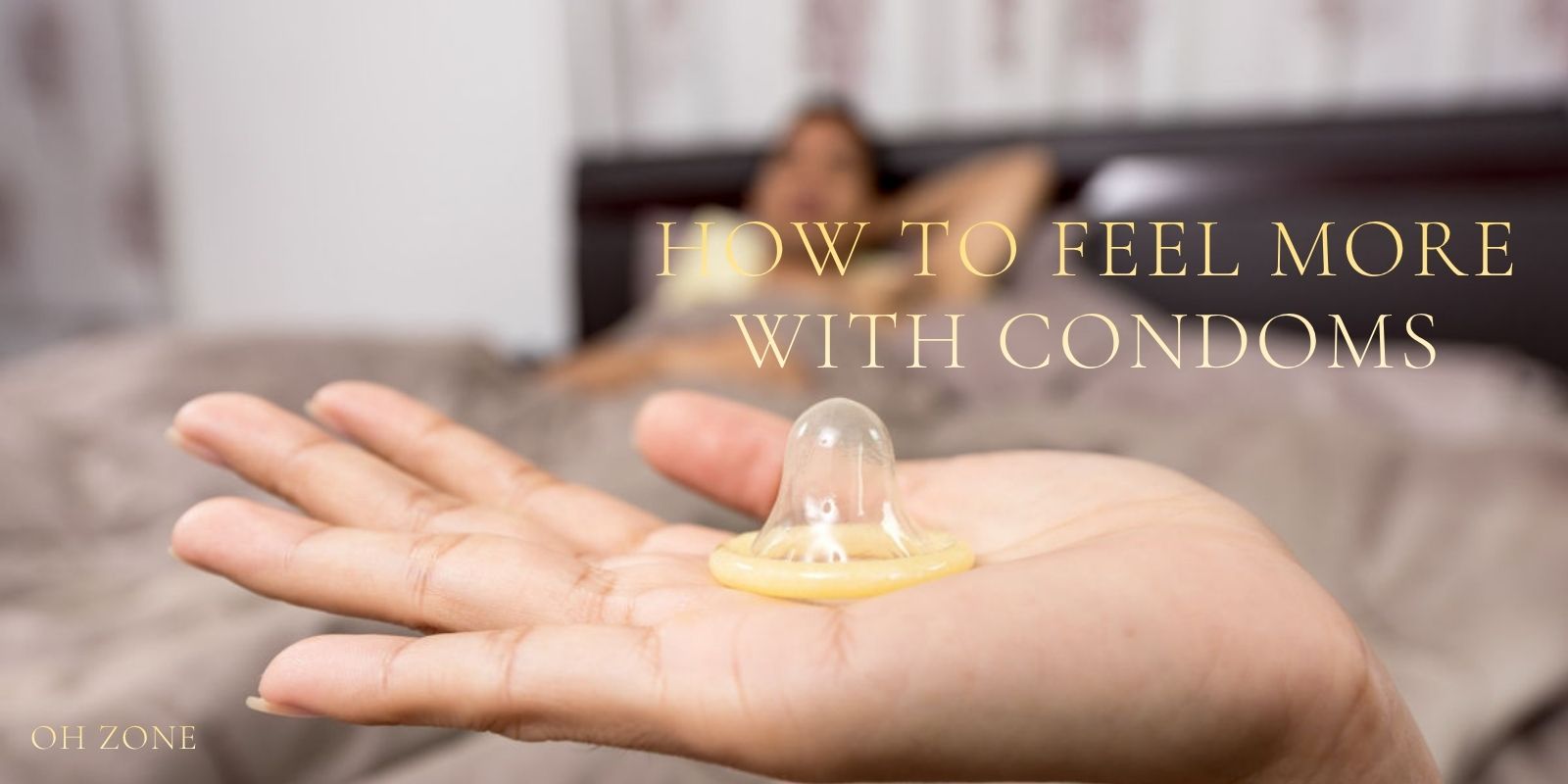
How to Feel More with Condoms for Better Sensation
There’s a quiet frustration many people don’t openly talk about—the feeling that something is slightly missing when using protection. Not dramatically, but enough to notice. That subtle disconnect can pull you out of the moment, making intimacy feel more mechanical than natural. If you’ve ever wondered how to feel more with condoms without sacrificing safety, you’re not alone. It’s a question rooted in both physical sensation and emotional presence.
The truth is, sensation isn’t just about touch—it’s about how your body interprets that touch. When you feel relaxed, safe, and engaged, even small sensations can feel amplified. Learning how to feel more with condoms isn’t about forcing intensity, but about removing the subtle barriers—both physical and mental—that reduce your ability to fully experience what’s already there.
Table of Contents – How to Feel More with Condoms
Simple Ways to Increase Feeling Naturally
The Mental Side of Sensation Most People Miss
How to Explore More Sensation Safely
Key Takeaways
Frequently Asked Questions
Why Sensation Feels Different with Condoms
To understand how to feel more with condoms, it helps to first understand what’s actually happening in the body. Condoms create a thin physical barrier, which can slightly reduce direct stimulation. But more importantly, they can change how the nervous system interprets touch. Sensation is not just about contact—it’s about how clearly signals travel from the skin to the brain. When that signal is slightly dampened, the experience can feel less immediate.
However, the body is highly adaptable. When one type of stimulation is reduced, others can become more noticeable—pressure, rhythm, movement, and emotional connection. This means sensation doesn’t disappear; it simply shifts. Learning how to feel more with condoms often involves tuning into these other layers instead of focusing only on direct friction.
There’s also a conditioning element. If past experiences with condoms felt less pleasurable, your brain may expect the same outcome, subtly reducing your level of engagement. This expectation can create tension, which further limits sensation. Over time, this becomes a loop—less sensation leads to more focus on what’s missing, which reduces sensation even more.
Breaking this pattern starts with awareness. When you understand that sensation is influenced by both physical and psychological factors, you begin to approach the experience differently. Instead of trying to “fix” the feeling, you start to expand it, allowing your body to respond in a more natural and responsive way.
Simple Ways to Increase Feeling Naturally
One of the most effective ways to feel more with condoms is by choosing the right type. Ultra-thin condoms are designed to improve heat and touch transmission, making the experience feel closer to natural skin contact. Exploring options like those discussed in this guide can help you find what aligns with your body.
Lubrication is another powerful tool that is often underestimated. Adding lube reduces friction and allows smoother movement, which enhances sensation rather than dulling it. It also prevents discomfort, which can distract your mind from pleasure. If you want to understand this deeper, this resource explains how lubrication supports both comfort and arousal.
Fit plays a crucial role as well. A condom that is too tight can create pressure that feels restrictive, while one that is too loose may reduce consistent contact. Finding the right size ensures that sensation feels balanced and natural, allowing you to stay present rather than adjusting or overthinking.
You can also explore sensation outside of penetration. Touch, pacing, and variation in movement all contribute to how your body experiences pleasure. Sometimes, feeling more is less about intensity and more about diversity—engaging multiple sensory pathways instead of relying on a single type of stimulation.
The Mental Side of Sensation Most People Miss
What many people overlook is how much the mind influences sensation. If you approach intimacy with the belief that condoms reduce pleasure, your body often follows that expectation. This is not just psychological—it’s neurological. The brain filters sensory input based on attention and belief, meaning what you expect can shape what you feel.
When you shift your mindset from loss to possibility, the experience changes. Instead of focusing on what feels reduced, you begin to notice what still feels good—or even better. This shift in attention can amplify sensation, making the experience feel more engaging and satisfying.
There’s also a deeper layer related to safety. When your mind feels secure—knowing that protection is in place—it allows your body to relax. This relaxation is essential for pleasure. A tense body cannot fully receive sensation, no matter how strong the stimulation is. In this way, condoms can actually support better experiences by reducing underlying anxiety.
In practice, many people find that when they let go of comparison and expectation, sensation becomes more accessible. It’s not about recreating a specific feeling—it’s about allowing a different kind of experience to emerge, one that feels grounded, present, and genuinely enjoyable.
How to Explore More Sensation Safely
Exploring how to feel more with condoms doesn’t require drastic changes—it’s about small, intentional adjustments. Start by experimenting with different types and noticing how your body responds. This process builds awareness and helps you identify what enhances your experience rather than relying on assumptions.
Communication with a partner is equally important. Talking about sensation, comfort, and preferences creates a shared understanding that reduces pressure. When both people feel heard, the experience becomes more relaxed and collaborative, which naturally enhances connection and pleasure.
Incorporating tools like lubrication or even exploring additional forms of stimulation can add depth to the experience. If you’re curious about expanding your approach, resources like this guide or insights from this article and this resource can help you explore safely and comfortably.
Most importantly, approach the process with curiosity instead of pressure. Sensation is not something you force—it’s something you allow. When you create the right conditions, your body naturally responds in ways that feel more connected and fulfilling.

Key Takeaways
- Learning how to feel more with condoms involves both physical adjustments and mental awareness
- Ultra-thin condoms, proper fit, and lubrication can significantly enhance sensation
- Your mindset and expectations directly influence how your body experiences pleasure
- Relaxation and emotional safety play a key role in increasing sensitivity
- Exploration and communication lead to more satisfying and connected experiences
Frequently Asked Questions – How to Feel More with Condoms
Can condoms really feel natural?
Yes, modern condoms are designed to enhance heat and touch transmission, making them feel much more natural than older versions.
Does lube actually improve sensation?
Yes, lubrication reduces friction and allows smoother movement, which can significantly enhance how sensation is experienced.
Is reduced sensation always physical?
Not always. Mental factors like expectation, focus, and relaxation play a major role in how you perceive sensation.
Do I need to try different condoms?
Yes, experimenting with different types helps you find what works best for your body and preferences.
Can condoms ever enhance pleasure?
In many cases, yes. When used with the right approach, they can support comfort, reduce anxiety, and improve overall experience.
Rediscovering Sensation Without Letting Go of Safety
When you begin to understand how to feel more with condoms, the experience shifts from limitation to possibility. You stop seeing protection as something that reduces pleasure and start seeing it as something that supports a more relaxed, present state. And in that state, sensation naturally becomes richer and more accessible.
This isn’t about chasing a perfect feeling—it’s about creating the conditions where your body can respond freely. When tension drops and awareness increases, even subtle sensations can feel deeply satisfying. It becomes less about intensity and more about connection, both with your body and with your partner.
At its core, this journey is about trust. Trusting that your body knows how to feel, that comfort enhances pleasure, and that safety doesn’t take away from intimacy—it supports it. When you approach it this way, curiosity replaces frustration, and the experience becomes something you actively shape rather than something you struggle against.